Empty your waiting room: let patients wait in the car, not the crowd
A packed waiting room is stressful, slow, and hard on infection control. Here is how to let patients check in by QR code and wait in the car or outside, then get a private nudge when the doctor is ready.
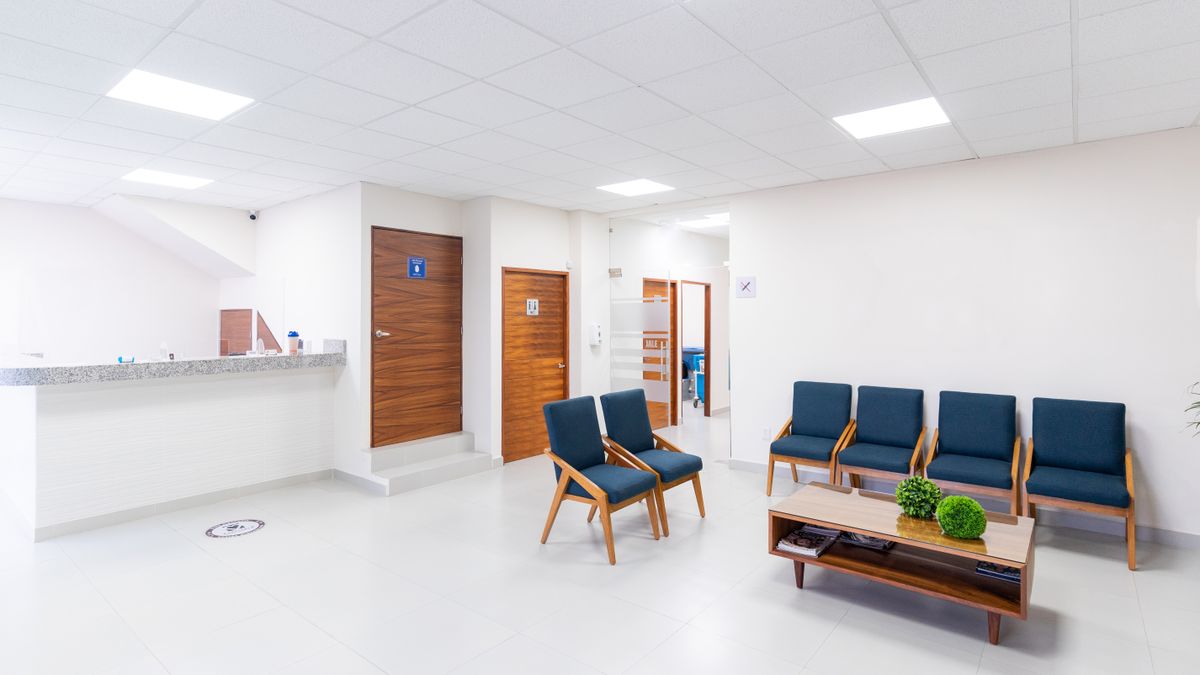
Look at your waiting room at 9:30 on a Monday. A dozen people sitting shoulder to shoulder, a few of them unwell, all of them watching the door and straining to hear their name over the hum of the room. It is stressful for patients, it is loud for your reception, and since 2020 it is a place most people would rather not sit in at all. The strange part is that almost none of them need to be in that room. They just need to know when it is their turn.
Here is how to give them that, and empty the room.
Why the full waiting room is a problem worth solving
A crowded waiting room is not just unpleasant. It quietly costs your practice in ways that are easy to miss.
- It is hard on infection control. A room full of people, some of them sick, sitting together for twenty minutes is exactly what you spend the rest of your day trying to avoid. Fewer bodies in the room is simply safer.
- Reception becomes a help desk. Every "how much longer?" and "did you call me?" lands on the person at the front desk, who is trying to do six other things.
- Names get missed. Calling a name across a full, noisy room means someone with headphones in, or who stepped to the toilet, gets skipped, and the schedule slips.
- It is not private. Announcing a patient's name across a room, sometimes with a reason attached, is the opposite of the discretion a clinic is supposed to offer.
Every one of those comes from the same thing: the wait lives in the room instead of on the patient's phone.
The fix: check in by QR, wait anywhere
The change that solves all of it is to let a patient check in from their own phone and hold their place without sitting in the room. That is what a QR queue for clinics does. You put a code at reception and on the door, the patient scans it, adds their name, and they are checked in. Their place now lives on their phone.
From there they can wait wherever is comfortable: in the car, outside in the fresh air, or in the café down the road. They see how many are ahead and a live estimate on their own screen, and when the doctor or nurse is ready, a private nudge to their phone brings them back. The room stays quiet and half empty, and the patients who do need to sit have space.
There is nothing for the patient to download. The code opens an ordinary web page, so it works for anyone with a phone, and it is the same idea as any QR queue, pointed at the specific needs of a practice.
Private by default
This matters more in a clinic than almost anywhere else. When a patient's turn is a quiet buzz on their own phone instead of their name read out across a full room, nobody in the waiting area learns who is here or why. That is the discretion patients expect, delivered without anyone at reception having to think about it.
Personal details are only ever used to hold a place in the queue, and with Filaro they are cleared within 24 hours, so you are not building up a record you then have to manage.
Show the wait, and the questions stop
If you take one thing from this, make it this: show patients the number.
A patient who can see "you are 3rd, about 20 minutes" behaves completely differently from one staring at a closed door. They stop asking reception for updates. They relax, because they can plan the next twenty minutes instead of guarding a chair. That certainty is what lets them leave the room at all, which is the entire point. We wrote about why a visible wait keeps people calm and present in why customers give up and leave your queue, and it applies just as much to a nervous patient as to a coffee queue.
Walk-ins and appointments in one list
Most small clinics run appointments and walk-in or urgent slots, and reconciling the two by eye is where the desk gets flustered. With a QR check-in, booked patients check in when they arrive and drop into the same ordered list as walk-ins. Reception looks at one screen, calls the next patient with a tap, and never has to merge two systems in their head on a busy morning.
Starting simple
You do not need a new patient management system to fix your waiting room. Start with the two changes that cost nothing:
- Let patients check in from their phone and hold their place without sitting in the room.
- Show them the wait, live, so they can wait in the car and trust that you will call them.
Put a code on the door as well as the desk, and patients can check in on the way in, before they reach a busy reception.
If you want to try it, Filaro lets patients scan one code to check in, wait wherever they like, and get a private nudge at their turn. No app for them, no hardware for you, and personal details cleared within 24 hours. You can set it up for your clinic in an afternoon.
Photo via Pexels: clinic waiting room by Cristian Rojas.