Why customers give up and leave your queue (and how a text keeps them)
Most customers start walking out of a line at around eight minutes, and usually it is not the wait that loses them, it is the not-knowing. Here is what the 2026 data says and how a simple message when it is their turn keeps people around.
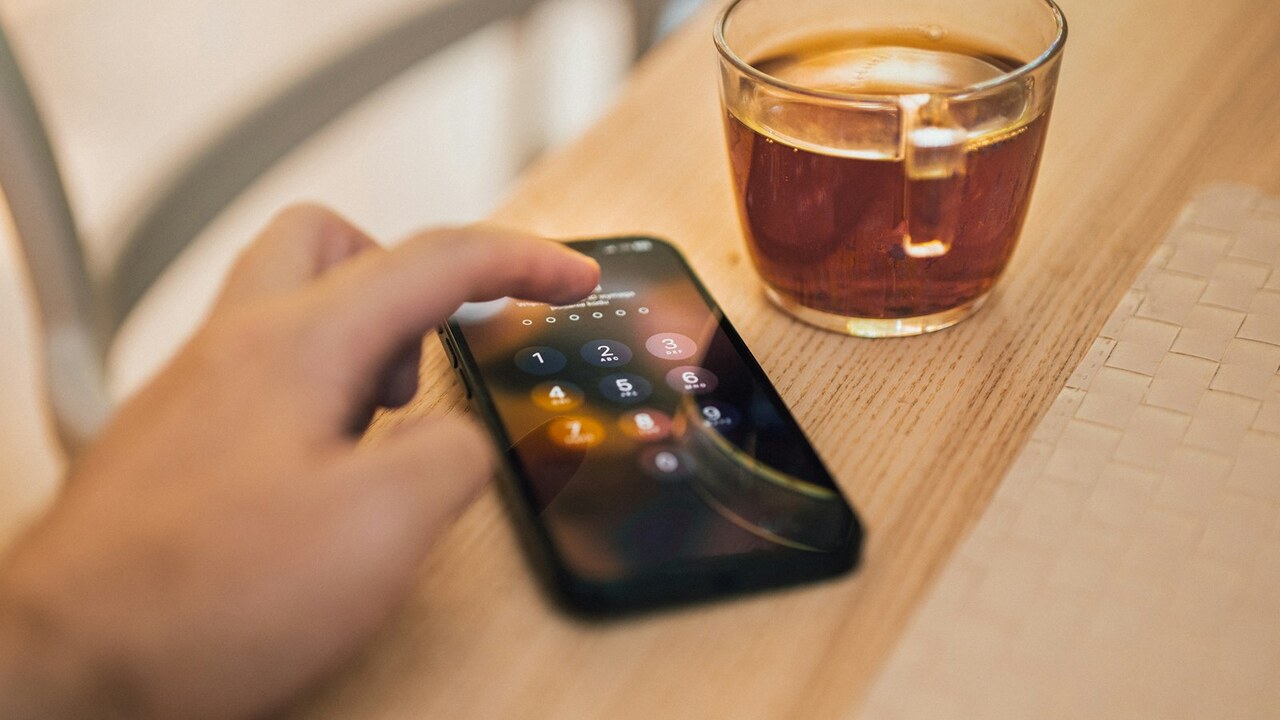
There is a quiet moment in every busy shop that owners rarely see. A customer standing near the back of the line checks their phone, glances at the queue that has not moved, does a small mental calculation, and leaves. No complaint, no scene. They just walk out and go somewhere else. You never find out it happened.
Those silent walkouts are some of the most expensive customers you will ever lose, because they were ready to buy and you had already done the hard work of getting them through the door. The good news is that most of them are avoidable, and the fix is smaller than you would think.
People leave sooner than you think
Ask an owner how long a customer will wait and they usually guess fifteen or twenty minutes. The real number is lower. Studies of customer waiting in 2026 found that people start abandoning a line at around the eight-minute mark, and patience drops fast after that.
Eight minutes is nothing on a busy Saturday. It is one slightly slow haircut, one chatty customer at the counter, one prescription that needs double-checking. If your line regularly sits at eight minutes or more and people can see it not moving, you are leaking customers whether you notice it or not.
The problem is usually the not-knowing, not the wait
Here is the part that surprises people. It is often not the length of the wait that drives customers away. It is the uncertainty.
A person who knows they are third in line and that it will be about ten minutes can settle in and relax. A person staring at a line with no idea whether it is ten minutes or forty gets anxious, and anxious people leave. The same 2026 research found that simply giving customers a live position in the queue cut their perceived wait time by around a third. Nothing about the actual wait changed. They just stopped guessing, and it felt shorter.
That is a huge lever, and it costs you nothing but a little transparency. Tell people where they stand, and half the pressure disappears.
A message does the heavy lifting
Now add the second piece. Once a customer knows their place in line, the natural next question is "so do I have to stand here and watch it?" The answer should be no.
This is where a message does the work. People live on their phones and they respond to them fast: in 2026, roughly three-quarters of consumers check a text within five minutes of getting one, and many within a single minute. A message is the one channel you can count on reaching someone the moment it matters.
So instead of making a customer guard their spot, you let them wander off, and you send a message when they are getting near the front. WhatsApp or a text, whatever they already use. They get the nudge, they come back, and their place was never at risk. The line stops being a rope that ties them to your doorway and becomes something they carry in their pocket.
Let people wait where they actually want to be
Give someone their position and a message when it is their turn, and you have quietly changed the whole experience. They can sit in the car with the air conditioning on. Grab a coffee. Run the errand they were going to do afterwards anyway. Wait at home if they live close.
Your waiting area empties out, which makes the shop feel calmer for everyone still in it, and the customer who would have walked out at eight minutes is now happily waiting somewhere more pleasant, still in your line. It is worth remembering that most people now prefer this. Around two-thirds of customers say they would rather join a queue from their smartphone than stand in a physical line or talk to staff to ask how long it will be.
What this looks like in practice
You do not need a complicated system to do any of this. With a QR queue, a customer scans a code, joins the line on their phone, and sees their live position straight away. If they opt in, they get a WhatsApp message when they are near the front. No app to download, no ticket to hold, no standing around.
A couple of things matter when you set this up:
- Show the position clearly. The live number is what kills the anxiety. Make sure the customer can see it the moment they join.
- Keep messaging opt-in and useful. Send the one message that matters, that it is nearly their turn. Do not turn it into marketing, or people stop trusting it.
- Let them leave and come back. Say it out loud, put it on the sign. The whole benefit only lands if customers actually believe they can step away.
The numbers that matter for a small shop
Put together, the effect is not subtle. Live position updates cut perceived wait by about a third. Timely notifications reduce complaints about waiting by roughly forty percent. And you stop losing the quiet walkouts at the eight-minute mark, the ones you never even knew about.
For a small shop, that is the difference between a busy day that converts and a busy day that quietly bleeds customers out the door. Same footfall, same staff, same chairs. The only thing that changed is that people knew where they stood and got a nudge at the right time.
That is exactly what I built Filaro to do. Customers scan one QR code to join your queue or book a time, they see their place in line, and they get a WhatsApp when it is nearly their turn, so they can wait wherever they like and still never lose their spot. It sets up in an afternoon, it is free for the first month, and there is no contract. Whatever tool you use, the principle holds: tell people where they stand, message them when it matters, and let them wait somewhere they actually want to be.
Azeem runs a walk-in barbershop and built filaro, a QR code queue system for small businesses, so his waiting room would run itself.