Appointments, walk-ins, or both? How to decide for a small shop
A plain decision guide for small shops weighing appointments against walk-ins: the honest trade-offs, what fits barbershops, salons, clinics and cafés, and why running both in one queue beats picking a side.
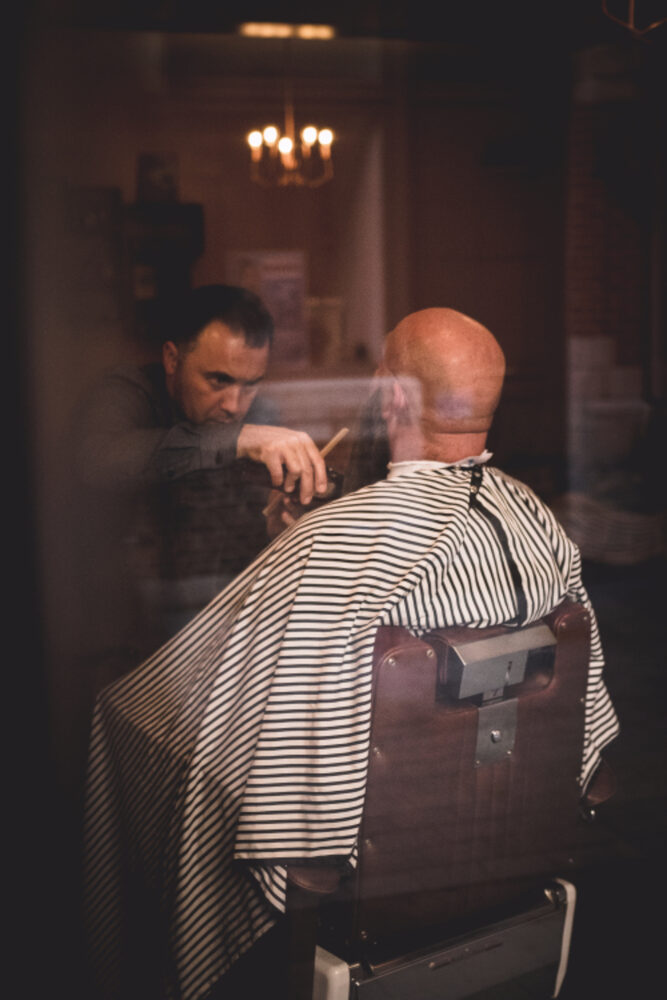
Every small-shop owner hits this question sooner or later. The line out the door on a Saturday says "take appointments so it's calmer." The empty Tuesday afternoon says "keep taking walk-ins so you don't turn money away." So which is it?
Short version up front, because that's probably why you're here:
- Most walk-in shops should do both. Appointments for the regulars who plan ahead, walk-ins for everyone else.
- The mistake isn't picking wrong. It's running them as two separate systems. A booking app over here, a paper list over there, and you refereeing between them.
- If your two options share one line, "both" stops being extra work and starts being the calmest way to run the day.
Now the detail, from behind the chair.
The case for walk-ins
Walk-ins are the reason a lot of us opened the doors in the first place. Someone's passing, they've got twenty minutes, they come in. No commitment, no planning, no app. On a good day the shop just fills itself.
The problems with walk-ins are all about the waiting, not the walking in. People crowd the doorway because leaving means losing their place. They ask "how long?" and you guess. When it looks busy, they leave, and you never even knew they came. None of that is a reason to drop walk-ins. It's a reason to manage the wait, which a QR virtual queue does without turning anyone away.
The case for appointments
Appointments give you something walk-ins can't: a shape to the day. You can see the morning before it happens. Regulars get their usual time with their usual person. The slow stretches get booked into instead of sat through. And a booking that's confirmed and reminded is a booking that mostly shows up.
The catch is that pure appointments leave money on the table. The person who walks past with twenty minutes doesn't have your booking link open. Turn them away and that's a haircut you didn't do. For most small shops, appointment-only is too rigid, the same way walk-in-only is too chaotic.
Why "both" usually wins
Here's the thing nobody tells you: appointments and walk-ins aren't opposites. They're just two doors into the same chair. A regular books Thursday at two. A stranger wanders in at one forty-five. At two o'clock they're both simply the next person in your line.
The reason "both" gets a bad reputation is the two-systems trap. Most booking tools sit completely apart from the people standing at your counter. So you end up watching a screen for the appointments and your own eyes for the walk-ins, trying to slot them together in your head while holding a pair of clippers. That's not doing both. That's doing two jobs badly.
The fix is one queue. When an appointment customer arrives, they check in and drop into the same live line as your walk-ins, flagged with their time and sorted near it. You stop deciding which system to look at. You just call the next person. That's the whole idea behind Filaro's appointment booking: bookings and walk-ins finally live in one place.
Decide by what kind of shop you run
The honest answer depends less on trend and more on how your trade actually works.
Barbershops and salons. Almost always both. Your regulars want a set time with their barber; your foot traffic wants a chair now. Let regulars book, keep the walk-in door open, and run them as one line. This is the classic case for a shared queue.
Clinics, dentists, and anything with named services. Lean appointment-heavy. When a specific person does a specific thing for a set length, you want the day planned. But even here, a walk-in lane for quick things (a repeat prescription, a five-minute check) keeps the counter from getting stuck. Book the long things, queue the short ones.
Cafés, delis, repair counters, quick services. Lean walk-in. The value is speed and passing trade, and appointments add friction most customers won't bother with. Take names by QR so the rush stays orderly, and only add booking if you sell something people genuinely plan around.
Solo operators and studios. Both, and keep the setup light. You don't need a roster of staff or a menu of services to take a booking. A single default appointment length against the shop itself is enough to start, and you can add the detail later if you ever want it.
How to actually start
You don't have to flip the whole shop overnight. The low-risk way in:
- Keep your walk-in queue exactly as it is. Nothing changes for the people who just show up.
- Switch appointments on alongside it. Set your hours. Add services and staff only if they help you; skip them if they don't.
- Point your regulars at the booking link. The ones who plan ahead will use it, and the rest keep walking in.
- Run it for two weeks before you judge it. Watch where the day actually snags. Usually it's fewer decisions, not more.
If the two ever feel like two systems again, that's your sign the tools aren't sharing a line, not that "both" was the wrong call.
The takeaway
Appointments versus walk-ins is the wrong fight for most small shops. Walk-ins bring the passing trade; appointments bring the shape. Picking one throws away half of what makes a small shop work. The real question is whether your booking and your queue live together or apart, because that's the difference between running both and refereeing them.
You can set your shop up here and take appointments and walk-ins in a single line before your next shift.
Azeem runs a walk-in barbershop and built Filaro, a QR queue and booking tool for small shops, so bookings and walk-ins finally live in one place.